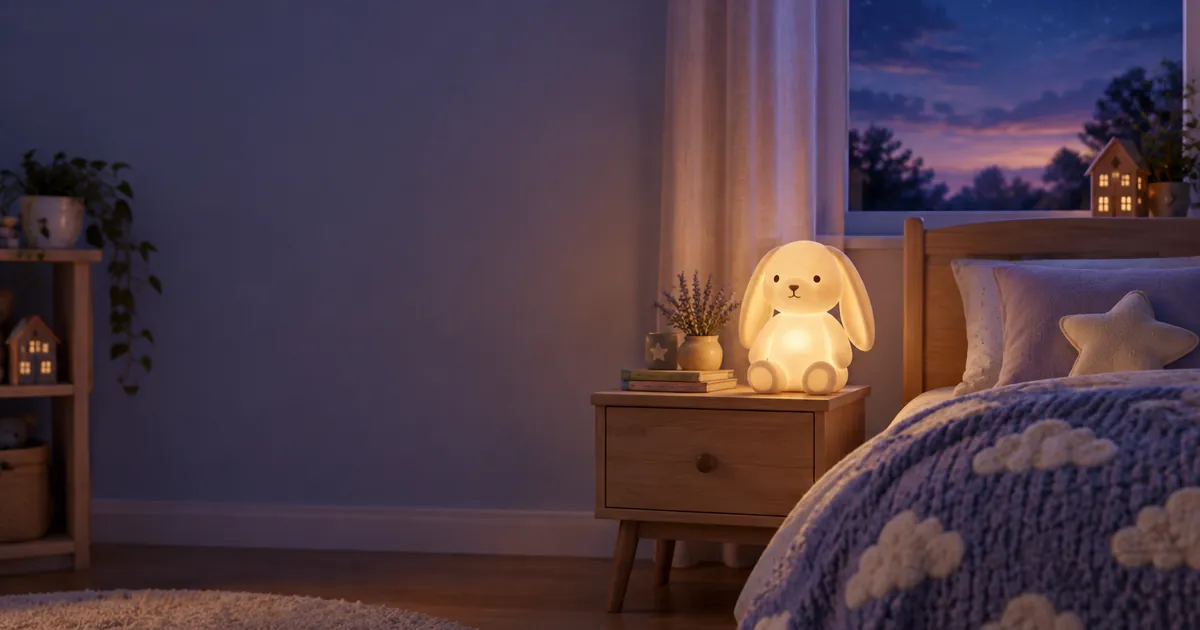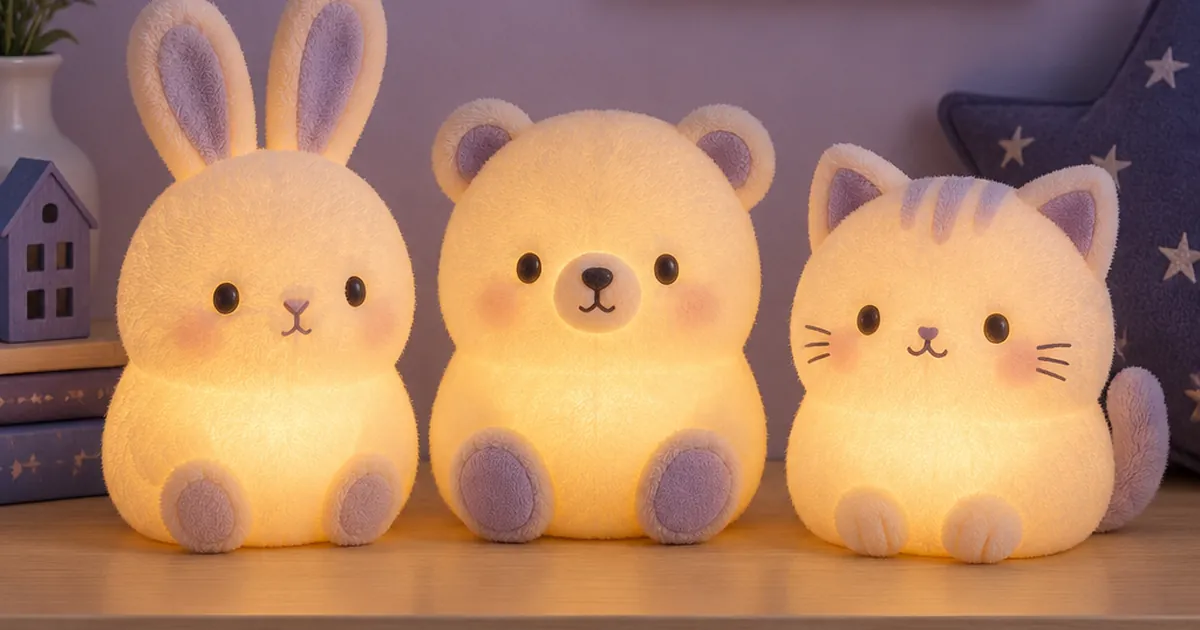
It's 8:47 p.m. The lights are off, the songs are sung, and your child's eyes are still wide open. If bedtime in your house comes with a side of shadows-on-the-ceiling worry, you've probably looked at both dream catchers and star projectors and wondered which one will actually help. They're the two most popular comfort pieces for kids' rooms, and both can make a real difference — but they work in completely different ways.
Here's a parent-to-parent breakdown of what each one does, which kind of child tends to respond to which, and how to choose without adding another thing to the toy box that doesn't earn its shelf space.
What a dream catcher actually does
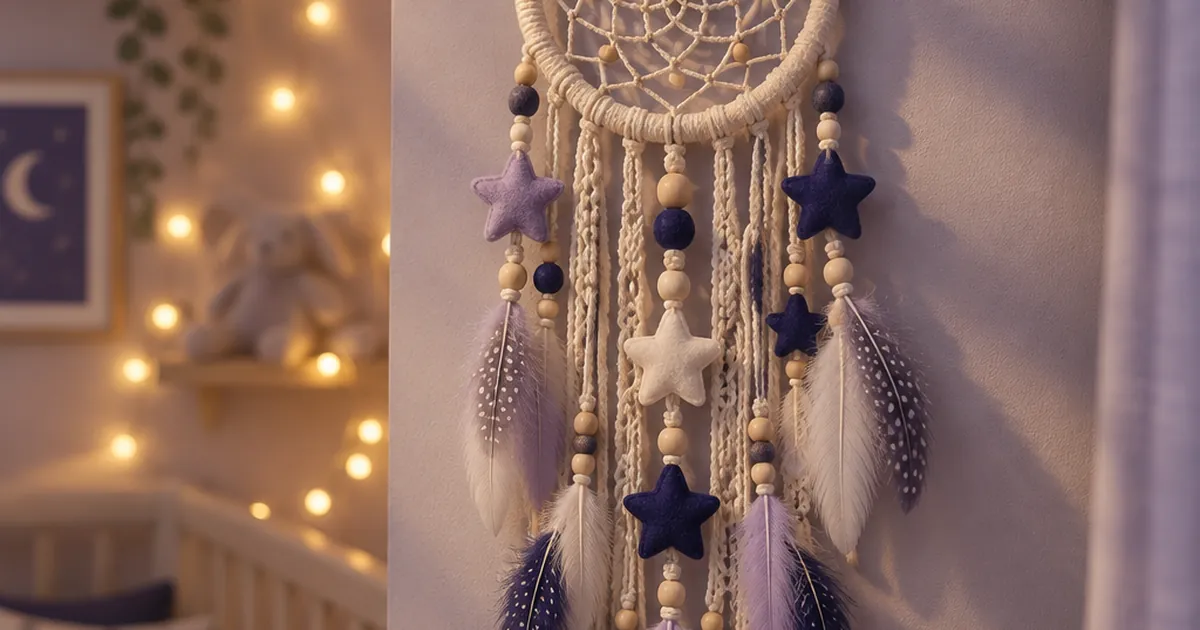
A dream catcher is a comfort tool, not a light source. Rooted in Ojibwe tradition and lovingly adopted by families around the world, the idea is simple: the woven web catches bad dreams while good ones slip through the feathers and drift down to the sleeper below. Whether your family embraces the folklore or simply likes the story, the psychology is real. A child who believes the dream catcher above the bed is standing guard has something concrete to point to when worry shows up at lights-out.
That's the quiet power of a dream catcher: it gives an anxious mind a job. Instead of scanning the dark for threats, your child can look up, see the web, and remember that bad dreams don't get through. It's reassurance that works all night long, silently, without a single battery.
When a dream catcher is the right choice
Dream catchers tend to work best for kids whose sleep struggles are emotional rather than sensory — the ones who fight bedtime because of bad dreams, monster worries, or a mind that won't stop replaying the day. If your child asks you to check the closet, wakes from nightmares, or wants the hallway light left on "just in case," a dream catcher offers a sense of protection that lasts from tuck-in to sunrise. Our Cloud Nine Dream Catcher was made for exactly this: soft, sturdy, and sweet enough that kids are proud it hangs in their room.
What a star projector actually does
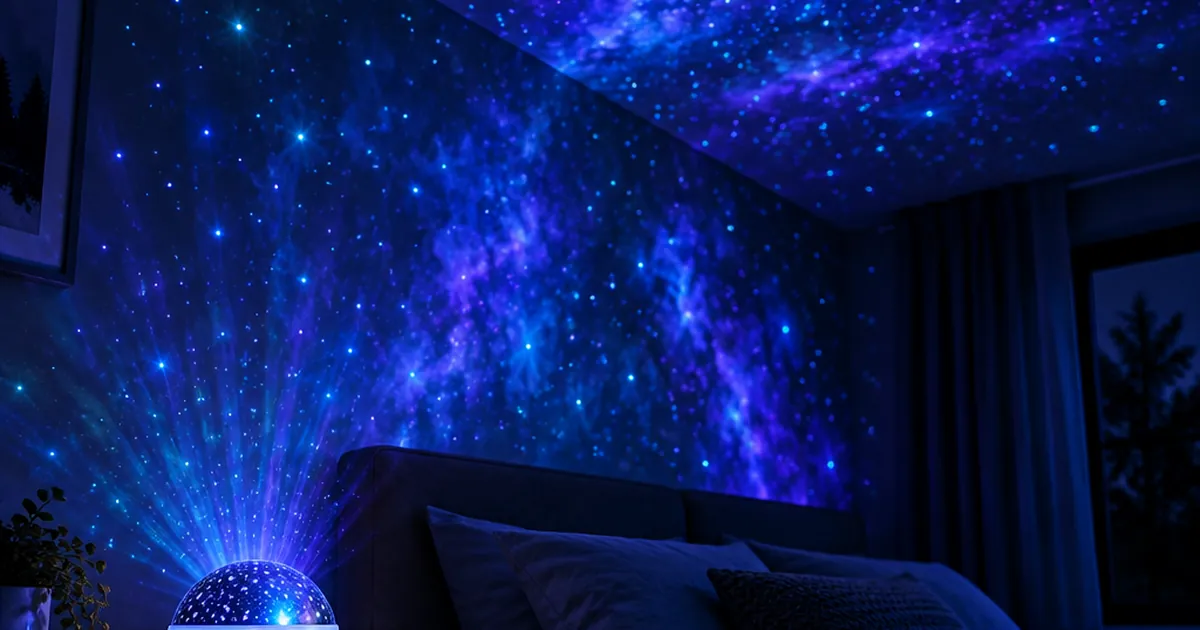
A star projector works on the room, not the child. It fills the ceiling with drifting stars and gentle color, turning a dark, unfamiliar bedroom into something calm and almost magical. The glow gives the eye something soft to settle on, which can slow a racing mind the same way watching clouds does. For many kids, a dim moving sky is simply less frightening than plain darkness.
There's a practical side, too. A projector can double as a gentle night light during the wind-down routine, then switch off once your child has drifted off, returning the room to true darkness for the rest of the night — which is what sleep experts generally recommend.
When a star projector is the right choice
Projectors shine (literally) for kids who are scared of the dark itself or who need help downshifting from a loud, busy day. If your child is a sensory seeker, loves everything space, or fights sleep because the dark feels like a void, a projector changes the room into a place they want to be. The Starfall Ceiling Mobile goes a step further by adding soft, slow movement above the bed — the kind of gentle visual rhythm that can lull a wiggly kid toward sleep.
A quick side-by-side comparison
- Best for: dream catchers ease worries and bad dreams; projectors ease fear of the dark.
- How they work: a dream catcher offers emotional reassurance; a projector offers sensory calming.
- During the night: a dream catcher stands guard in silence; a projector can run on a timer and switch off.
- Power needed: dream catchers need none; projectors need an outlet or USB port.
- Effect on the room: a projector adds gentle light; a dream catcher keeps the room fully dark.
Can you use both?
Absolutely — plenty of families do. A rhythm that works well looks like this: the projector runs during bath, books, and the first few minutes in bed, then switches off, leaving the dream catcher standing guard in the dark. Your child gets calming light when they need it most and a sense of protection once the lights go out. One tip: keep the projector's glow dim and warm. Bright or blue-toned light too close to bedtime can push sleep further away instead of closer.
So which one should you buy?
Start with the "why" behind the bedtime struggle. Bad dreams, monsters, and worry point to a dream catcher. Fear of the dark, trouble settling, or a love of all things space points to a projector. If you're honestly not sure, a dream catcher is the lower-risk starting point — it never adds light, never needs batteries, and suits any age from toddler to tween.
Whichever way you lean, the goal is the same: a child who feels safe the moment the lights go off. Browse the dream catchers collection or the star projectors collection to find the right fit for your little dreamer — and here's to a quieter bedtime this week.